How to Find a French Bulldog Rescue Near You
Understanding the Need for French Bulldog Rescue
French Bulldogs are one of the most popular breeds in the United States, but their popularity comes with a downside. Many Frenchies end up in shelters or need new homes because their owners can no longer care for them. Health issues, financial strain, or lifestyle changes often lead to surrender. That is where rescue organizations step in. They provide foster care, medical treatment, and eventually help these dogs find permanent homes. If you are thinking about adopting a French Bulldog, working with a rescue is a responsible and compassionate choice.
Searching for "frenchie rescues near me" is a good first step, but knowing what to look for and how the process works will save you time and help you find a reputable organization. Not every group that claims to be a rescue operates the same way, so a little research goes a long way.
What to Expect from a French Bulldog Rescue
Rescue organizations dedicated to French Bulldogs typically operate through a network of foster homes. Dogs are not kept in kennels but live with volunteers who assess their temperament, health, and behavior. This setup gives the rescue a clear picture of what each dog needs in a forever home. It also helps the dog adjust to a home environment before adoption.
The adoption process usually involves an application, a phone interview, and sometimes a home visit. The goal is to match the right dog with the right family. Rescues ask about your lifestyle, experience with dogs, and living situation. They want to ensure the adoption is permanent and that the dog will not be returned. Many rescues also require a commitment to provide proper veterinary care and a safe environment.
Why Choose Rescue over Buying
Adopting a French Bulldog from a rescue has several advantages. First, you give a home to a dog that really needs one. Second, rescue dogs often come with known histories, so you know about any medical issues or behavioral quirks upfront. Third, the adoption fee is usually lower than the cost of buying a puppy from a breeder, and it often covers spaying or neutering, vaccinations, and microchipping.

Another benefit is that rescues are transparent about health problems. French Bulldogs are prone to conditions like brachycephalic airway syndrome, skin allergies, and hip dysplasia. A good rescue will share what they know and may even provide ongoing support after adoption. This honesty helps you prepare for the financial and time commitment involved in caring for a Frenchie.
How to Find a Reputable Rescue
When you search for "frenchie rescues near me", you will likely see several options. It is important to vet each organization carefully. Here are a few things to check:
- Does the rescue have a clear mission and transparent policies? Look for information about their adoption process, fees, and the care they provide.
- Are they a registered nonprofit? Legitimate rescues usually have 501(c)(3) status, which means they are tax-exempt and accountable to donors.
- Do they provide medical records and known history for each dog? A responsible rescue will share what they know, including any health issues or behavioral notes.
- Do they conduct home visits or interviews? This shows they care about where their dogs end up.
- Do they have a foster network? Rescues that rely on foster homes rather than kennels often have a better understanding of each dog's needs.
Be cautious of any organization that pressures you to adopt quickly, asks for large fees upfront without providing records, or has dogs available without any screening. These could be signs of a less reputable operation or even a front for puppy mills.
The Role of Foster Care in Rescue
Foster care is the backbone of most French Bulldog rescue efforts. Foster volunteers take surrendered French Bulldogs into their homes and provide love, training, and medical attention. This arrangement helps the dog recover from stress and learn to trust people again. It also gives the rescue valuable insight into the dog's personality, which helps in finding the right permanent home.
For the adopter, fostering means you get a dog that has already been living in a home, not a shelter. The foster family can tell you how the dog behaves with other pets, children, and in different situations. This information is priceless when deciding if a particular Frenchie is a good fit for your household.
What to Look for in a French Bulldog
When you visit a rescue, keep an open mind. The dog you connect with might not be the one you initially imagined. Look at the whole picture: energy level, health needs, and temperament. French Bulldogs are known for being affectionate and playful, but individual dogs vary. Some may need a quiet home without other pets, while others thrive in busy families with children.

Ask about the dog's background. Was it surrendered because of a change in the owner's circumstances, or were there behavioral issues? How does the dog react to strangers, loud noises, or being left alone? The more you know, the better you can prepare your home and routine for the new arrival.
Preparing Your Home for a Rescue Frenchie
Before bringing a French Bulldog home, make sure your living space is safe and comfortable. Frenchies are brachycephalic, meaning they have flat faces and can overheat easily. Keep your home cool, provide fresh water at all times, and avoid strenuous exercise in hot weather. Also, secure your yard and check for any hazards like toxic plants or small objects that could be swallowed.
Stock up on essentials: a sturdy harness (not a collar, which can put pressure on the trachea), a comfortable bed, food and water bowls, and high-quality dog food. Many French Bulldogs have food allergies, so be prepared to work with your vet to find a diet that suits your dog. Also, set aside a quiet space where the dog can retreat and feel safe during the first few weeks.
The Adoption Application and Home Visit
Once you find a rescue you trust, the next step is the application. Be honest about your experience, your home environment, and your expectations. Rescues are not looking for perfect owners; they are looking for committed ones. They want to know that you understand the breed's health challenges and that you are ready to handle them.
If the rescue schedules a home visit, do not be nervous. This is just a chance for them to see where the dog will live and offer suggestions for making the space safer. They may also want to meet all members of the household, including other pets, to ensure compatibility.
Long-Term Commitment and Support
Adopting a French Bulldog is a long-term commitment. These dogs live ten to twelve years on average, and they require consistent veterinary care, a healthy diet, and plenty of attention. Some rescues offer post-adoption support, such as advice on training or behavior issues. Stay in touch with the rescue and let them know how your new family member is settling in.
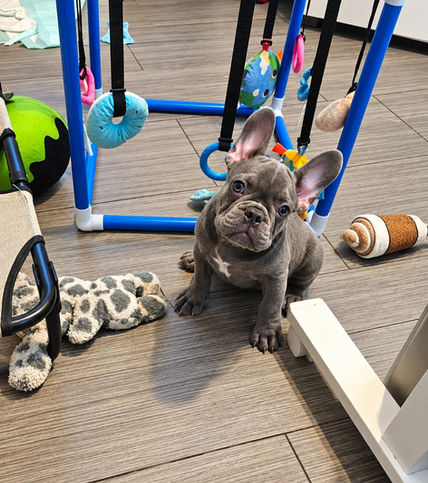
If you ever face challenges, reach out to the rescue before considering rehoming. They may be able to help with resources or training tips. Many rescues have a clause in their adoption contract that requires you to return the dog to them if you can no longer keep it. This ensures the dog never ends up in a shelter again.
Final Thoughts on Finding a Rescue
Searching for "frenchie rescues near me" is the start of a journey that can lead to a wonderful addition to your family. Take your time, ask questions, and choose a rescue that aligns with your values. The effort you put into finding a reputable organization will pay off in the form of a healthy, happy dog that fits seamlessly into your life. Whether you adopt a puppy or an adult, a rescue French Bulldog can bring years of joy and companionship. Just remember that adopting is not just about finding the right dog; it is about being the right home for that dog.